The independent music industry has entered a new chapter.
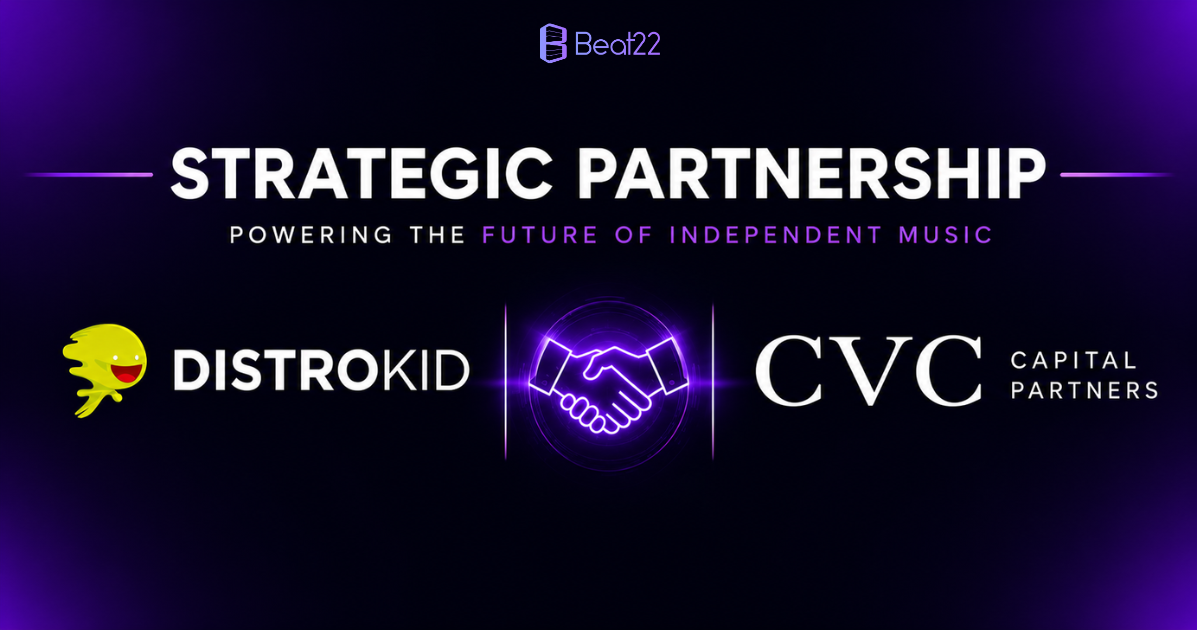
One of the world’s largest music distribution platforms, DistroKid, has officially signed an agreement for CVC Capital Partners to acquire a majority stake in the company. While the financial details of the transaction haven’t been disclosed, reports earlier this year suggested the company was exploring a valuation of around $2 billion, making this one of the biggest acquisitions in the independent music business in recent years.
For millions of artists who rely on DistroKid to distribute music to Spotify, Apple Music, YouTube Music, Amazon Music, TikTok, and dozens of other platforms, one question immediately comes to mind:
Will anything change?
The short answer is: Not immediately.
The long answer is much more interesting.
First, Who Is CVC Capital Partners?
If you’ve never heard of CVC Capital Partners, you’re not alone.
Unlike Spotify or Universal Music Group, CVC isn’t a music company.
It’s one of the world’s largest private equity investment firms, managing investments across technology, healthcare, sports, financial services, consumer brands, and entertainment.
Rather than building products themselves, firms like CVC invest in businesses they believe have long-term growth potential.
Their strategy is simple:
* Invest in successful companies.
* Help them expand.
* Increase their value over time.
In its official announcement, CVC described DistroKid as a platform that has earned the trust of millions of artists and said it plans to support the company’s next phase of growth.
Why Is This Such Big News?
This isn’t just another startup acquisition.
DistroKid has become one of the most influential companies in modern music distribution.
Founded in 2013, the platform changed how independent musicians release music by offering unlimited uploads for a flat annual subscription instead of charging artists per release.
Today, DistroKid says it distributes 30–40% of all new music released worldwide and serves millions of artists globally.
Beyond distribution, the platform now offers:
* Music distribution to major streaming platforms
* Video distribution
* Instant mastering
* YouTube Content ID
* Direct-to-fan tools
* Merchandise services
* Royalty splitting
* Pre-save campaigns
* Various marketing features
For many artists, DistroKid isn’t simply a distributor anymore, it’s the operational backbone of their music business.
What Exactly Is Changing?
According to the official announcement:
* Phil Bauer will continue as President.
* The existing leadership team will remain in place.
* Insight Partners will continue as a significant minority investor.
* The acquisition is expected to close later this year, subject to regulatory approvals.
In other words…
Nothing changes tomorrow.
Artists can continue uploading music exactly as they do today.
Royalties, releases, and current services remain unaffected based on everything announced so far.
So Why Are Artists Paying Attention?
Because acquisitions often shape a company’s future.
While CVC hasn’t announced any changes, private equity investments typically focus on helping businesses grow over the long term.
That growth could eventually include:
* Better creator tools
* New AI-powered services
* Improved marketing features
* International expansion
* New partnerships
* Acquiring complementary music companies
At the same time, artists often wonder whether acquisitions could eventually lead to:
* Subscription price changes
* Premium feature bundles
* Different customer support strategies
* Changes in business priorities
It’s too early to predict any of these outcomes, and CVC has not announced plans for such changes. But history shows that ownership changes often bring strategic evolution over time.
This Reflects a Much Bigger Trend
The acquisition says something important about the music industry itself.
Independent music is no longer a niche.
It has become serious business.
Over the past decade, independent artists have transformed the industry.
Artists can now:
* Record from home
* Distribute globally
* Build audiences through TikTok and Instagram
* License beats online
* Sell merchandise directly
* Earn from streaming without signing to a major label
Companies serving these creators have become incredibly valuable.
Distribution platforms, publishing technology, licensing businesses, creator tools, and music marketplaces are now attracting major investment because the independent music economy continues to grow.
The creator economy is no longer “emerging.”
It’s becoming one of the music industry’s strongest growth engines.
What Should Independent Artists Do Right Now?
The acquisition itself isn’t a reason to switch distributors.
Instead, it’s a reminder to strengthen your own music business.
Every independent artist should regularly:
* Back up every master recording.
* Save artwork and metadata.
* Keep ISRC codes organized.
* Store publishing information safely.
* Maintain royalty split agreements.
* Keep copies of license contracts.
Your music catalog is your intellectual property.
The better you organize it, the easier it becomes to move between services if your needs ever change.
What About Producers?
This news matters just as much for producers.
Music distribution is only one part of today’s creator economy.
Producers now earn through:
* Beat licensing
* Exclusive sales
* Non-exclusive licenses
* Sample packs
* Sound kits
* Sync opportunities
* Artist collaborations
As more independent artists release music globally, demand for original beats and licensed production continues to grow.
That makes reliable licensing, clear ownership, and transparent rights management increasingly important.
What This Means for Beat22 Creators
At Beat22, we see this announcement as another sign that the independent music economy is maturing.
Artists today need more than just distribution.
They need access to quality production, transparent licensing, discovery tools, and opportunities to collaborate.
That’s why Beat22 continues building tools that simplify the creative journey, from finding the right beat with Magic Search to secure licensing through QR Code Licensing, making it easier for artists and producers to work together with confidence.
The future of music isn’t just about getting songs onto streaming platforms.
It’s about creating an ecosystem where creators can discover, license, distribute, and monetize their work more efficiently.
DistroKid’s acquisition is another reminder that the business of independent music is becoming bigger, smarter, and more competitive.
For artists and producers, staying informed isn’t optional anymore, it’s part of building a sustainable career in today’s music industry.