What It Teaches Indian Music Producers About Getting Paid Right
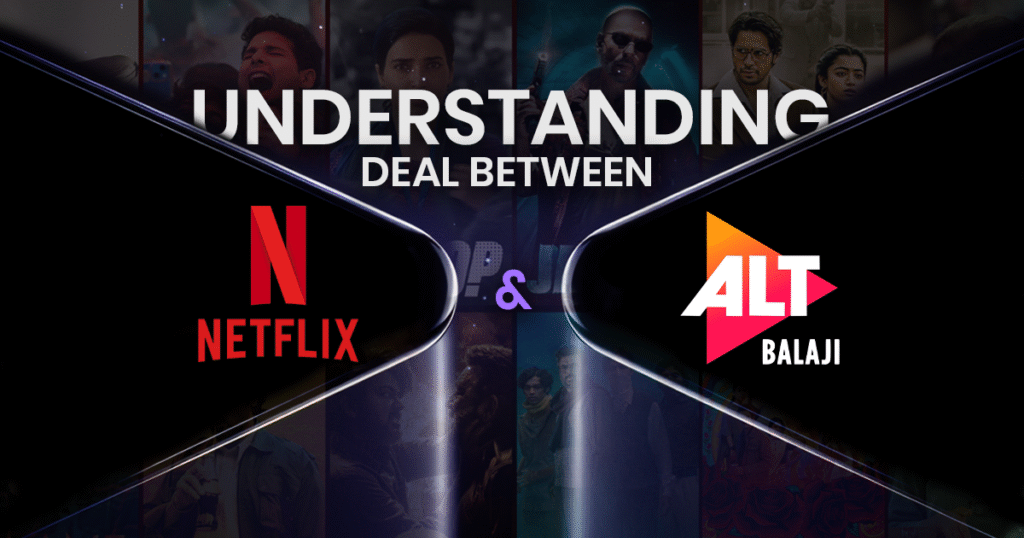
Netflix signed a ₹4,000 crore deal with Ekta Kapoor’s Balaji Telefilms to create 20+ Indian series and films. Every project needs original background scores, theme songs, or promo music.
If you’re a music producer or composer in India, it’s important to understand how the music business works especially key concepts like sync fees, backend royalties, and the common mistakes that can cost you money.
Let’s break it down in simple language.
What Are Sync Fees?
Sync fees are what you get paid upfront when a show or movie uses your music. It’s a one-time payment for syncing your track to visuals like background scores, opening themes, or music in a romantic scene.
Netflix and Balaji are paying anywhere between ₹8 lakh to ₹80 lakh per track depending on how big the show is and how prominently your music is featured.
Example: You make a theme song for a thriller series on Netflix → you could get ₹15L–₹30L just for that one track as sync fees.
What Are Backend Royalties?
Backend royalties are the money you keep earning after your music is released every time someone streams the show, downloads the track, or uses your music in promos.
But here’s the problem:
According to FICCI-EY 2024, 62% of Indian composers miss out on these backend earnings because their music isn’t properly registered with royalty bodies like IPRS (Indian Performing Rights Society).
So, What’s the Difference?
| Sync Fee | Backend Royalty |
| One-time payment | Ongoing income |
| Paid upfront | Earned over time |
| Fixed | Can grow over years |
| Based on usage in show | Based on streaming, views, replays |
Why the Netflix–Balaji Deal Signals Bigger Opportunities Ahead
With platforms like Netflix funding 20+ new shows and films in India, the demand for original soundtracks is only going to grow. For producers and composers, this points to a future full of licensing and placement opportunities.
3 Mistakes That Can Kill Your Royalties (And How to Avoid Them)
1. Giving Away Full Rights in “Work for Hire” Contracts
Some companies will offer you a one-time payment and take 100% rights to your music. That means no backend royalties, no credit, and no long-term income.
What to do instead:
Always ask for a contract that lets you keep a share of backend royalties (like 10–15% from streams or usage).
How Beat22 helps:
On Beat22, you stay in control of your music. You decide how your beats are licensed, what rights you keep, and whether you allow negotiation. Your ownership stays protected.
2. Missing or Wrong Metadata
Even if your track is used in a big show or ad, you could miss out on royalties if your metadata is incomplete or incorrect platforms won’t know it’s yours.
What to do instead:
Always fill in complete and accurate track info including title, composer/producer name, and collaborators.
How Beat22 helps:
Our upload system ensures you enter key metadata like track name, composer credit, and license terms helping keep your work clearly attributed when used or licensed.
3. No Protection from AI Remixes
Many companies use AI to adapt or remix music for different languages or international versions. If your contract doesn’t cover this, you lose control and may not be paid for future use.
What to do instead:
Always include terms in your agreement that protect your rights for remixes, edits, or AI-generated adaptations.
How Beat22 helps:
Licensing on Beat22 is transparent and structured. Every beat sale comes with clear terms so there’s no confusion about how your music can or can’t be reused.


