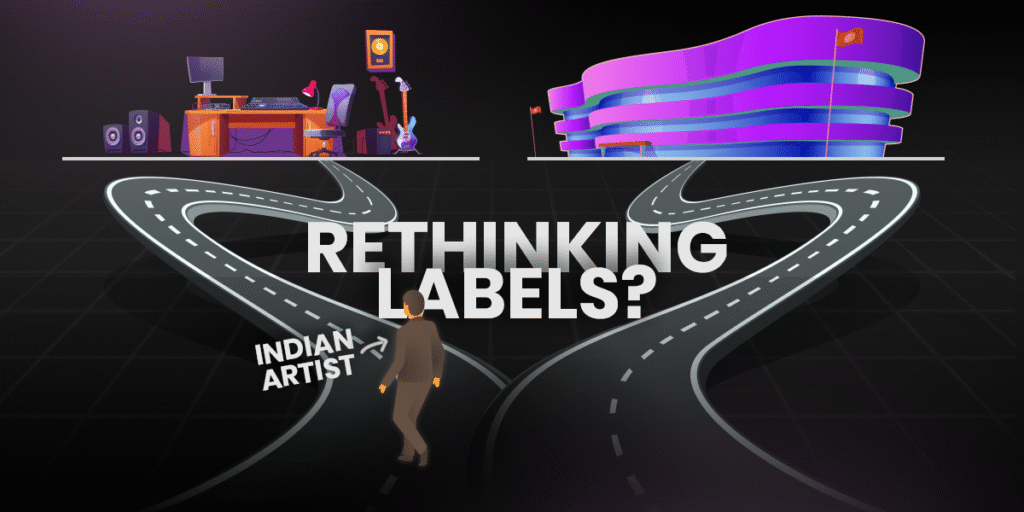
In 2025, the Indian music scene is booming like never before. From Indie hip-hop collectives in Delhi to Tamil pop producers in Chennai, artists are taking control of their sound, AND their careers. But that brings up a big question- Should you go independent, or sign with a label?
Let’s break it down.
The Rise of the Independent Artist
Going independent isn’t just a trend anymore, it’s a movement. With streaming platforms, affordable studio setups, and platforms like Beat22 making high-quality beats accessible, artists can now create, release, and promote music entirely on their own terms.
Why It Works
- Creative Freedom: No one tells you what to make or how to sound. Your music = your rules.
- Ownership: You keep your masters, your royalties, and your artistic control.
- Direct Fan Connection: Social media and short-form content allow independent artists to build loyal fanbases without intermediaries.
- Faster Releases: No waiting for label approvals or endless marketing plans. You drop music when YOU want.
The Catch
- You’re the entire team. You handle production, marketing, distribution, and PR.
- Budget limits: Without a label’s funding, you need to manage recording, promotion, and touring costs wisely.
- Discoverability: Getting on big playlists or reaching mass audiences takes strategy and persistence.
Still, with platforms like Beat22 offering thousands of affordable, professional-quality beats and simple licensing options, independence feels a lot more possible, and powerful than ever before.
The Label Route: Pros & Pitfalls
Record labels still play a major role, especially in India’s regional markets where radio, film, and TV integration drive hits. Labels provide structure, resources, and credibility, especially if you’re aiming for scale.
Why Artists Sign
- Funding & Reach: Labels handle studio costs, marketing, and distribution across major platforms.
- Networking Power: Access to top producers, collaborations, and media exposure.
- Professional Backing: PR, playlisting, and sponsorship deals often come easier with label connections.
But Here’s the Flip Side
- Limited Creative Control: Labels often dictate sound, image, and release timing.
- Revenue Sharing: A large portion of your income goes back to the label.
- Contract Lock-ins: Long-term deals can restrict artistic evolution or future collaborations.
For some artists, this trade-off is worth the exposure. For others, it’s a creative compromise.
The Hybrid Future: Best of Both Worlds
More Indian artists are now embracing the hybrid model, starting out independent to build momentum, then partnering with labels for scale or distribution. It’s the “freelancer-to-founder” path of music.
With digital tools, you can establish your brand first. Use Beat22 to source unique beats, drop consistent releases, and grow your following. Then, if a label comes calling, you negotiate from a position of strength, not dependency.
Final Beat
At the end of the day, whether you’re an independent powerhouse or a signed sensation, the goal is the same: making music that moves people. But in today’s world, independence gives you freedom, control, and ownership, and THAT’S powerful.
So before you chase a label deal, build your sound, your way. Experiment. Collaborate. And when you’re ready to drop your next track, head to Beat22.com, where India’s new sound begins.


The blog is amazing